

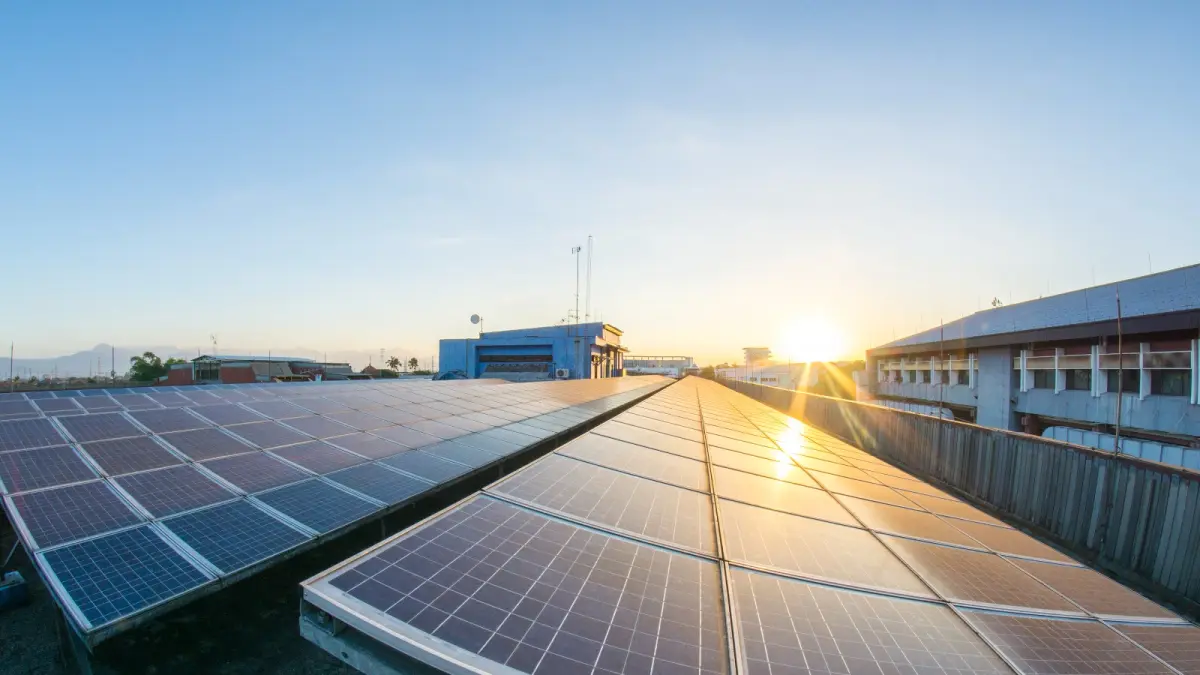
PLN Ready to Execute 21 Solar PV and Battery Projects Totaling 513 MWp to Curb Fuel Imports
Jakarta – PT PLN (Persero) is accelerating its transformation toward a clean energy transition by preparing 21 solar power plant (PLTS) projects—including those integrated with Battery Energy Storage Systems (BESS)—with a total capacity of 513 Megawatt-peak (MWp). These strategic projects are scheduled to commence operations in stages, reaching their Commercial Operation Date (COD) between 2026 and 2029.
PLN President Director Darmawan Prasodjo revealed that these projects are now ready for execution. This massive initiative is part of the company's core strategy to reduce the electricity sector's reliance on fuel oil, which has historically depended on imports.
Source : https://radarsurabayabisnis.jawapos.com/infrastruktur/2604140001/pln-akselerasi-transisi-energi-21-proyek-plts-siap-eksekusi-demi-pangkas-impor-bbm
"As of the first semester, 21 solar power projects—including those combined with battery energy storage systems—are ready for execution. We will further supplement this with specific large-scale battery energy storage and solar power programs to reduce fuel oil consumption," said Darmawan during a hearing with Commission XII of the House of Representatives (DPR RI) in Jakarta.
He added that this shift aims not only to curb carbon emissions through the use of renewable energy but also to transition away from expensive energy sources toward more efficient, low-cost domestic energy.
Retiring Thousands of Diesel Engines Across 741 Locations
In addition to ramping up the construction of new solar power plants, PLN is devising a program to gradually reduce the operation of diesel power plants (PLTD). A total of 741 PLTD sites, utilizing 2,139 diesel engines, have been identified for reduced usage or decommissioning. This move to phase out diesel plants is estimated to save approximately 200,000 barrels per day (bpd) of national oil consumption, equivalent to a 20% reduction in total oil imports. Distribution and List of 21 Solar PV & BESS Projects
These solar PV and solar PV-plus-BESS projects are distributed across various regions of Indonesia—from west to east—to address geographical challenges and maintain the stability of intermittent (non-constant) electricity supplies.